DESTINATION GUIDES
Best Time to Visit Costa Rica: Complete Planning Guide for Teachers
Mariam M. | October 30, 2026
DESTINATION GUIDES
Mariam M. | October 30, 2026
Planning a student trip to Costa Rica? The season you choose shapes everything your students will encounter: the cloud forest at Monteverde wrapped in mist or crystal clear, the Sarapiquí river running high enough to raft, leatherback turtles making their way up the beach at Tortuguero, and Manuel Antonio’s trails dry underfoot and alive with sloths. Here’s how to choose the right one.
It depends on what you’re trying to get out of the trip. On the Pacific coast, dry season (December to April) offers the most settled conditions: clear skies, dry trails, and predictable days. Green season (May to November) brings lush landscapes, more active wildlife, and fewer crowds, with the trade-off of afternoon rain. The Caribbean coast follows a different rainfall pattern, with drier windows in February through March and September through October. Most Canadian teachers work within March Break or summer, and both windows have real strengths.
Costa Rica runs on two seasons, not four: dry and green. This pattern is most distinct on the Pacific coast. Once you understand what each season means for a school group, the rest of the planning clicks into place.
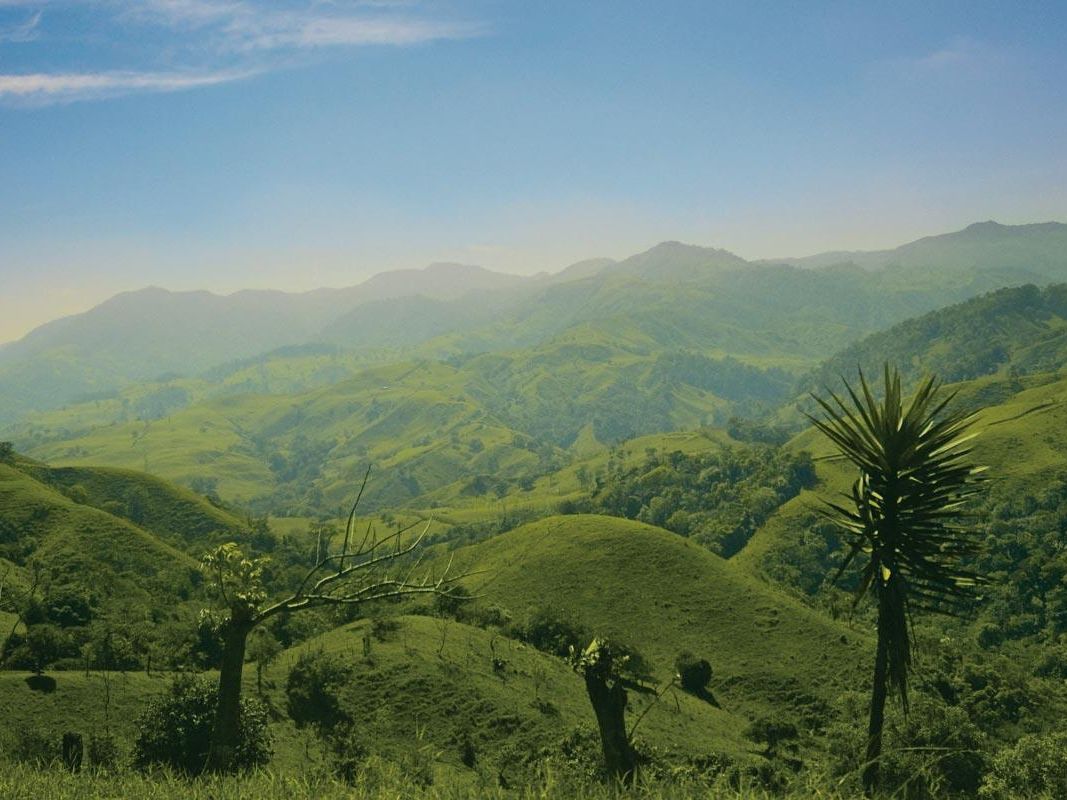
Costa Rica’s dry season runs December through April, and the name earns itself. The skies are clear, Arenal sits sharp against a blue horizon, and the cloud forest at Santa Elena is as close to a clear day as Monteverde gets. Animals naturally gather around water sources as the dry months progress, which means wildlife sightings on the trail tend to come more easily.
What to expect:
Sunny days, minimal rain (especially January through March
Higher tourist traffic at popular sites
Trails and roads in excellent condition
Hotter temperatures, especially on the Pacific coast
Wildlife congregates around water sources, making animals easier to spot
Best for: Teachers who want weather predictability, teachers leading their first student trip, and itineraries focused on outdoor activities like zip lining, hiking, and wildlife observation.
Most people hear “rainy season” and picture days that feel written off. That’s not what this is. The green season is when Costa Rica looks the way it does in every photo you’ve shown your students. The forest at Tirimbina is dense and alive in a way it simply isn’t in dry season. Waterfalls are running hard. Frogs that rarely show themselves in dry season are out in numbers. The afternoon rain comes warm, often passes within a few hours, and for a lot of students it ends up being part of what makes it memorable.
What to expect:
Afternoon showers, often later in the day (timing and intensity vary by region and month)
Lush, vibrant landscapes
Fewer crowds at major sites
Wildlife more active and visible (nesting season for sea turtles, peak frog and insect activity)
Cooler temperatures overall
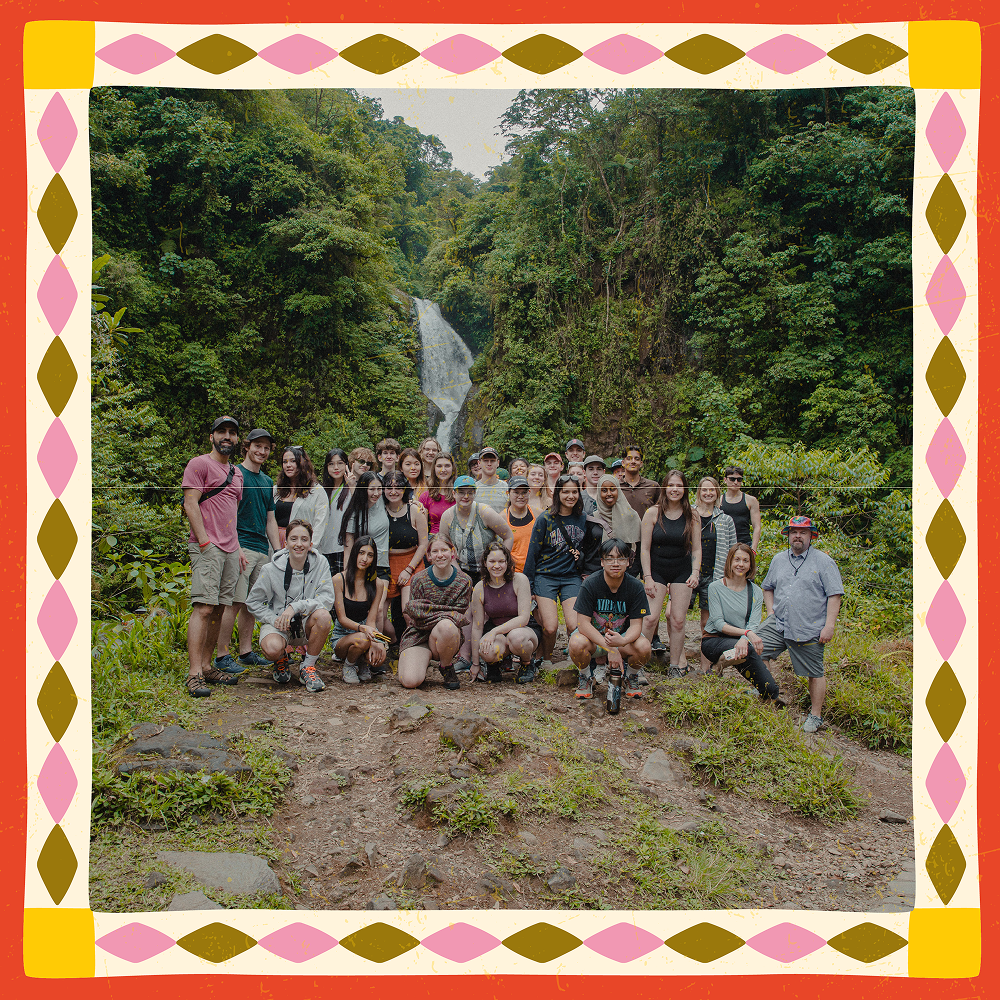
Best for: A strong pick for groups who want to see wildlife at its most active and the landscape at its most vivid, with the trade-off of planning around afternoon rain. Worth knowing: July often brings a “veranillo” a natural mid-season dry spell sometimes called the “little summer” that gives groups a brief break from afternoon rain. Green season also overlaps with the southern-hemisphere humpback whale season (July through October), one of the longest whale-watching windows in the world.


Costa Rica’s two coasts don’t share the same rainfall pattern. The dry and green season framework describes the Pacific Coast. The Caribbean coast is different: drier in February through March and September through October, wetter in July through August and December through January. September and October, the wettest months on the Pacific coast, are actually among the drier months on the Caribbean side.
Month | Weather | Wildlife Highlights | Crowds | Best For |
|---|---|---|---|---|
January | Dry, sunny, hot (24–30°C) | Humpback whales (Pacific, N. hemisphere season), howler monkeys active | High | Teachers leading their first student trip, outdoor activities |
February | Dry, sunny, hot (25–31°C) | Leatherback turtles (Pacific coast, tail end of Oct–Mar season), bird migration | High | Predictable weather, outdoor activities |
March | Dry, sunny, very hot (26–32°C) | Peak dry season wildlife concentration | Very high (March Break) | Canadian school calendar alignment |
April | Dry turning to green, hot (26–32°C) | Transition month, some afternoon showers begin | High | Shoulder season, still mostly dry |
May | Green season begins, afternoon rain (24–28°C) | Rainforest comes alive, frog and insect activity peaks | Moderate | Ecosystem-focused curriculum |
June | Afternoon showers, lush (23–27°C) | Sea turtle nesting begins (Tortuguero, Caribbean coast, green turtles Jul–Oct), vibrant flora | Low | Smaller crowds, rainforest at full tilt |
July | Veranillo (“little summer”) mid-month, brief dry spell (23–27°C) | Peak biodiversity, active wildlife; humpback whales (Pacific, S. hemisphere season begins Jul) | Moderate | Summer travel, curriculum flexibility |
August | Afternoon showers resume (22–26°C) | Tortuguero green turtles (peak), Ostional Olive Ridley arrivals begin (Pacific coast), humpback whales (Pacific) | Low | Rainforest ecosystems, waterfalls |
September | Wettest month (Pacific) (22–26°C) | Lush landscapes; Olive Ridley peak season (Pacific Coast); humpback whales (Pacific, through Oct) | Very low | Experienced teachers leading student travel, rainforest study |
October | Heavy rain (Pacific) (22–25°C) | Peak green, dramatic waterfalls; leatherback turtles begin (Pacific, Oct–Mar) | Very low | Groups with flexible itineraries; experienced teachers comfortable with variable conditions |
November | Rain tapering off (23–27°C) | Transition back to dry, wildlife still active | Low | Shoulder season, fewer crowds |
December | Dry season begins (24–30°C) | Humpback whales return (Pacific, N. hemisphere season), leatherback turtles active (Pacific coast), clear skies | Moderate to high | Holiday travel, predictable weather |
Most Canadian teachers don’t get to choose their travel window. The school calendar chooses for you. Here’s how the main windows line up. Weather notes refer primarily to the Pacific coast unless otherwise noted.
Season: Dry
Pros: Predictable weather, sunny skies
Cons: Higher temperatures, especially on the Pacific coast; sites tend to be busier
Bottom line: March Break falls squarely in Costa Rica’s dry season, which means predictable weather, dry trails, and sunny days. Starting the planning conversation early gives you the most options on dates and availability.
Season: Green (early to mid)
Pros: Lush landscapes, active wildlife, fewer crowds, cooler temperatures
Cons: Afternoon rain on the Pacific coast; July and August are the wettest months on the Caribbean coast, so dual-coast itineraries in summer need built-in flexibility; worth setting expectations with families before the trip
Bottom line: Summer works. It’s the most practical long window for Canadian teachers outside of March Break, green season Costa Rica has plenty to offer a curious group, and the sites are generally quieter than during the dry season months.
If your school has an October or November break
Season: Green (late) transitioning to dry
Pros: Fewer crowds; rain starts to ease off towards November as the dry season approaches; Caribbean coast sees its drier conditions in October
Cons: October is the wettest month on the Pacific coast; some businesses and trails may operate on reduced schedules
Bottom line: If your school has an October or November break, this window has real advantages. The popular sites are quiet, and November in particular sees conditions beginning to ease as the dry season approaches. The right experience depends on which coast your itinerary covers: October on the Caribbean can be genuinely good, while October on the Pacific works best for groups comfortable adapting around rain.
The question teachers ask most often is some version of: “What if it rains the whole time?” The short answer is that it’s not typical. Here’s the longer one.
A note on hurricanes: Costa Rica sits south of the main Atlantic hurricane belt, so direct hurricane hits are rare. What the green season brings is rainfall, not storms. If a parent asks about hurricanes, the honest answer is: that’s not the weather risk here. Plan for rain and trail conditions, not storm evacuation.
Rain in Costa Rica is warm. It often arrives later in the day and may pass within a few hours, though conditions vary by region and time of year. Pack rain jackets, plan a flexible schedule, and it becomes part of the experience rather than a disruption to it. Picture your students standing at the edge of a jungle trail in a light downpour, listening to the forest change around them. That’s not a bad day. It tends to be one of those parts of the trip nobody expected to love.
A trip to Costa Rica turns classroom concepts into real-world experiences. Immersed in a different culture, a different language, and one of the most biodiverse landscapes on earth, students make connections that are hard to replicate anywhere else. Here’s how the timing shapes what they encounter.
Dry season: Wildlife concentrates around water sources, making animal observation more consistent. Predator and prey dynamics, habitat adaptation, and species identification all come into focus on the trail.
Green season: Peak biodiversity, active ecosystems, nesting and breeding behaviours, insect and amphibian activity. A guided hike through Tirimbina Biological Reserve in Sarapiquí puts students inside a functioning rainforest ecosystem rather than reading about one.
Dry season: Climate patterns, drought adaptation, human and environment interaction.
Green season: Rainforest hydrology, nutrient cycling, erosion and soil science, watershed observation.
Any season: Market visits, community interaction, and cooking classes on tours like Impressions of Costa Rica give students real-world language practice. Language learning doesn’t depend on weather.
Any season: Community projects, mangrove conservation, and reforestation put students in a position to contribute, not just observe. Rain doesn’t stop meaningful work.
Curriculum outcomes for school trips: Costa Rica brings classroom learning to life in ways that are hard to replicate at home. Students can see ecosystems in action, explore conservation efforts firsthand, and make connections between what they’re learning in class and the world around them.
Beyond weather and curriculum, here are the logistical factors that matter when choosing your travel window.
Booking timeline: March Break is a high-demand window for school travel. We recommend starting the conversation 18 to 24 months out to give yourself the most options on dates and availability.
Packing: Dry season means sunscreen, hats, light layers. Green season means rain jackets, quick dry clothing, waterproof bags. Either way, students should pack for warm weather and be ready to layer.
Itinerary adjustments: A well-planned trip builds in some flexibility for weather. If a trail is muddy or a site is inaccessible on a given day, having alternatives ready keeps the day on track.
Parent communication: If you’re travelling in the green season, get in front of the “rainy season” question before parents ask it. Something like: “Yes, it will rain in the afternoons. It’s warm, it passes, and we’ve planned the itinerary around it.” Parents respond well to that kind of reassurance when it comes early and feels considered.
Board approval: If your school board values curriculum alignment, lead with the learning outcomes and frame the season choice around what students will experience and study.
Group size: the biggest driver of per-person cost. Larger groups spread fixed costs across more students.
Trip length: most school groups travelling to Costa Rica spend between seven and ten days.
Flights: worth looking into early. Green season months, particularly September and October, tend to see lower airfares from Canadian cities than the December to April dry season period.
Note: the cost factors above relate to general school travel planning. For an accurate quote on an EF tour, contact us to speak with one of our team members.
Still not sure? Use this framework to self-select based on your priorities.
This is your first time leading a student trip
Weather predictability is your top priority
Your itinerary is heavy on outdoor activities (zip lining, hiking, wildlife observation)
You’re travelling during March Break (most common Canadian window)
Your curriculum goals include ecosystems, biodiversity, or environmental science
You’re an experienced teacher leading student travel who is comfortable setting expectations around rain before the trip
You want fewer crowds and a more intimate experience at major sites
Your students are studying rainforest ecology, hydrology, or climate science
You’re traveling in summer (June through August) and want to see Costa Rica at full tilt
You want a balance of improving weather and fewer crowds
You’re flexible on exact travel dates
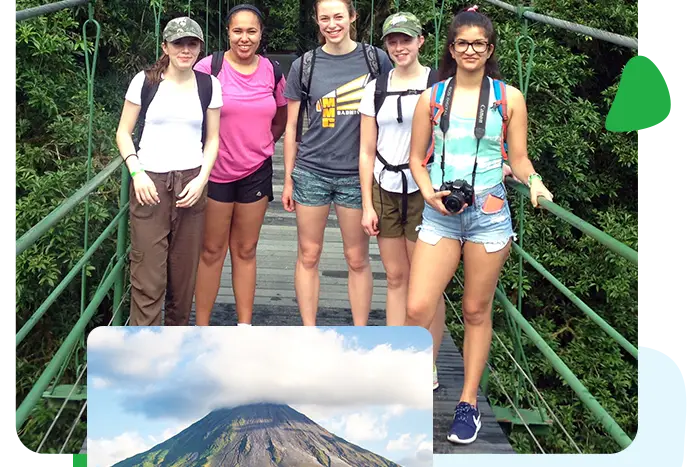
From the cloud forest at Monteverde to the rainforest canals of Tortuguero to the volcanic slopes of Arenal, Costa Rica offers students experiences that are hard to put into words and harder to forget. The timing you choose shapes what they encounter. But the moments that stay with them, soaking in hot springs with a volcano overhead, crossing a suspension bridge above the forest floor, tasting chocolate from a bean they harvested themselves, happen in every season.